
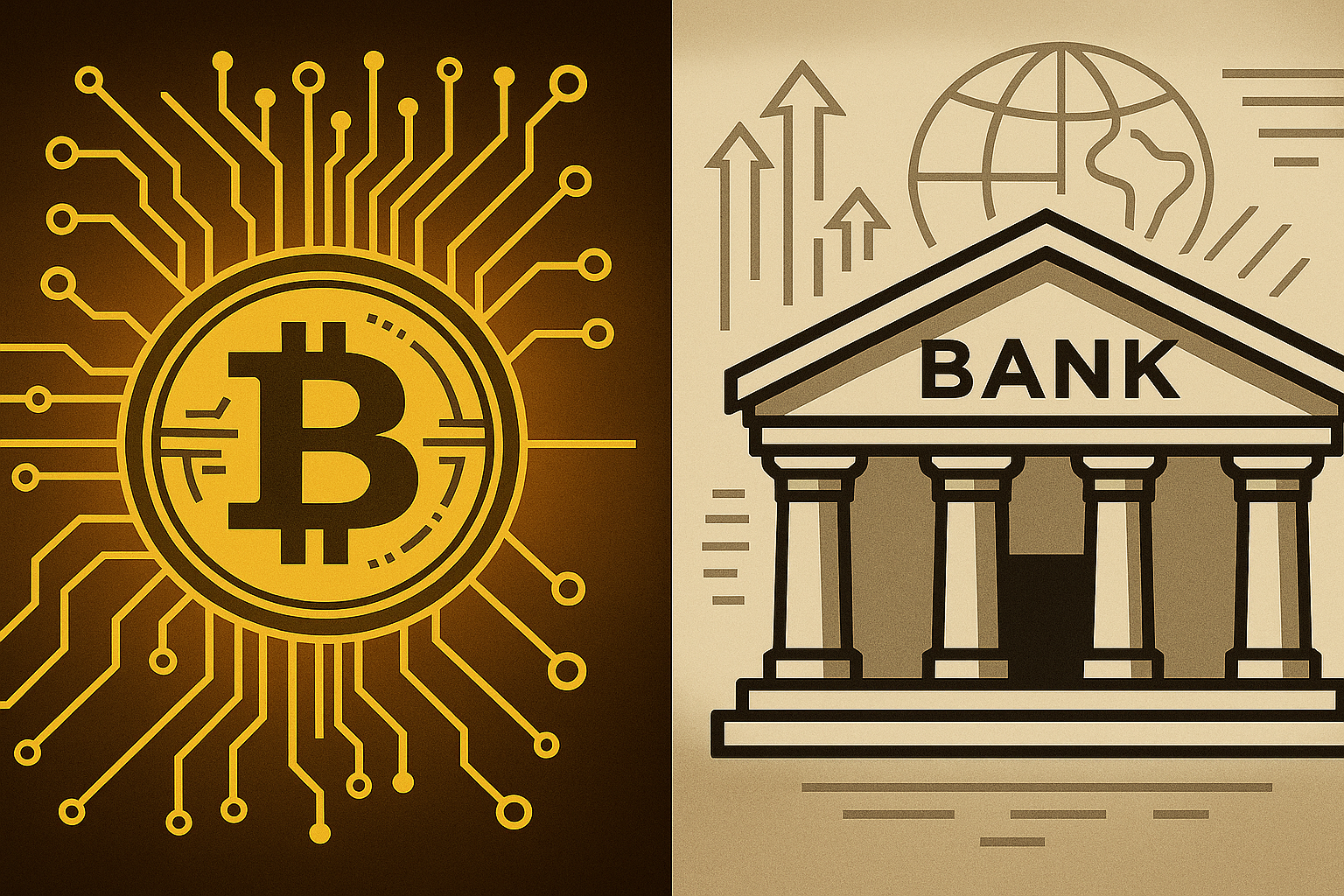
“Brand-and-Trust in the Digital Currency Era: What Banks Must Do”
Money is changing — fast. The rise of digital currencies (think government-issued retail Central Bank Digital Currencys, stablecoins, tokenised deposits) is shifting not just how payments work, but how people trust, choose, stay loyal to and switch from their bank. If you’re a bank marketer, retention specialist, brand lead: this is your moment.
Because when trust shifts from branches to code — the winners will be the brands that master the new trust equation.
Why Branding & Trust Matter More Than Ever
One key insight: adoption of digital currencies isn’t just about technology. It’s about people believing. A study from University of California, Berkeley found that:
“Digital currency adoption is more closely tied to perceptions of trust and brand than to technology or ideological motivators.” UC Berkeley Sutardja Center
In short: people won’t adopt a new form of money simply because it’s faster or newer — they’ll adopt it when they trust the brand or entity behind it.
For banks, that means the brand toolkit must evolve:
- Brand promise: It’s no longer “trust us, we’ve been around 100 years” — it’s “we enable your future-money securely, seamlessly, transparently.”
- Trust infrastructure: Beyond brand-colour and logo — how do you communicate the tech side (privacy, reliability, interoperability) as part of your branding?
- Retention/Acquisition pivot: Your message has to shift from “we’ve got features” to “we’ve got your future money covered — whether old cash or new digital currency.”
What Banks Should Do: Four Strategic Moves
- Own the “digital money” narrative
- Create content, campaigns, and onboarding paths that demystify digital currency for your customers. If you don’t own the narrative, fintechs or BigTech will.
- Use your brand voice to say: “We’re the bridge between today’s money and tomorrow’s money.”
- Insider tip: Use simple metaphors (“digital wallet = your mobile bank branch in your pocket”) to reduce switching friction.
- Demonstrate trust through transparency and proof-points
- Highlight features like privacy controls, security certifications, wallet/back-end audit results.
- Showcase real use-cases: cross-border payments with lower cost, digital wallet for payroll, conversion into older currency.
- According to research, trust in digital currency adoption depends on both “institutional trust” (banks/government) and “technology trust” (app/wallet features). SpringerLink+1
- Marketing strategy: “See it. Try it. Trust it.” e.g., a live demo or pilot offering.
- Segment by digital-confidence & adopt-readiness
- Traditional segmentation (age, income) isn’t enough. You need segments like:
- “Digital pioneers” (want innovation)
- “Cautious adapters” (need education, trust)
- “Legacy loyalists” (comfortable with old model)
- Tailor messages accordingly: for pioneers — “early access, token rewards”; for cautious — “explainer videos, safe mode”; for loyalists — “we support both cash & digital, you’re covered.”
- Traditional segmentation (age, income) isn’t enough. You need segments like:
- Embed retention in experience, not just inertia
- In old banking, many customers stayed because switching was hard. With digital currency, switching becomes easier. Retention must be active.
- Provide ongoing value: seamless transfers, digital wallet features, immediate notifications, integrated budgeting tools, rewards for digital-currency usage.
- Marketing automation: trigger messages when a customer receives digital-wallet funds, linking them into value-added offers (e.g., micro-investments, loyalty tokens).
- The brand promise becomes: “We’re your financial home whether money is physical, digital, or hybrid.”
Risks & Brand-Pitfalls to Watch
- Over-promising innovation and under-delivering: It kills trust. Better to start small, deliver well, then scale. McKinsey & Company
- Ignoring privacy/data concerns: Digital currencies bring greater traceability; if your brand is seen as careless with data, trust erodes fast.
- Failing to support old “cash era” customers: If you alienate them, you lose loyalty and open the door for switchers.
- Neglecting ecosystem partnerships: If your brand appears isolated (no fintech/merchant alliances), you’ll look outdated vs nimble challengers.
Conclusion and Call to Action
The money system around us is rewiring. For banks, this is not just a tech project — it’s a brand & trust transformation.
Marketing teams must act like brand guardians and change agents: educating customers, embedding trust through every interaction, segmenting for digital readiness, and creating experiences that make staying irresistible.
Don’t wait for someone else to define “digital money” for your customers. Step in. Own the narrative. Earn the trust. Retain the customer.